If your hormones feel unstable,
your appetite is out of control,
and nothing seems to work long-term —
It’s not about willpower.
It’s about strategy.
Nutrition, for me, is not about selling programs.
I believe that food and lifestyle are powerful tools for healing and long-term health — when applied thoughtfully, without extremes or hype.
Through my programs, my clients have:
I’m Oleksandra Karakai — a Nutrition Specialist and Anti-age Coach from Ukraine.

Raising a child who eats a varied, balanced diet is not about pressure.
It’s about patience, exposure, and consistency.

Children are naturally curious — but they need time. Repeated exposure builds familiarity, and familiarity builds acceptance.
Introduce new foods regularly or prepare familiar foods in different ways — roasted, steamed, baked, with mild herbs or natural spices.
Children respond strongly to aroma and texture.
Italian herbs, dill, parsley, cilantro, mild paprika, dried garlic — these enhance flavor naturally.
Children are sensitive tasters. When food smells appealing, curiosity increases.
Sometimes children are more open to tasting new dishes at a friend’s house or in a restaurant.
The complementary feeding period is foundational.
Introducing vegetables, fish, meat, and different textures early helps shape long-term preferences.
Early exposure often becomes lifelong habit.
At lunch or dinner, I serve vegetables first.
Only after they are eaten do I add the main dish.
Consistency builds preference.
Today, my daughter genuinely enjoys vegetables.
I have worked with children who ate very limited diets — mostly pasta, rice, or potatoes — yet their lab results were still within normal range. The human body is adaptive.
However, adaptation is not optimization.
The more colors on your child’s plate, the more micronutrients support their immune system, mood, and development.
If you would like structured guidance on building balanced eating habits for children, you can download my practical guide below.

It’s about understanding the foundations of nutrition —
and being able to eat without fear.
Low energy is often a sign of not enough carbs.
✔️ Add more:
• whole grains
• vegetables
• cereals & oats
• fruits and berries
❌ Avoid:
• refined sugar
• ultra-processed “fast carbs”
They give a short energy spike → followed by a crash.
⚠️ Also important:
If protein intake is too low, you’ll feel hungry all the time — and tired too.
Dehydration is one of the most common causes of fatigue.
💧 Aim for 1.5–2 L per day, small sips throughout the day.
If plain water feels boring — make it tasty:
• lemon / lime
• berries
• mint
☕️ Tea counts as fluid too.
High-quality green tea 1–2 times a day can gently boost energy —
but only if caffeine works well for you.
You don’t need intense workouts.
🚶♀️ Even a 10-minute walk or light exercise:
• improves circulation
• oxygenates the brain
• increases energy almost instantly
😴 7–9 hours every night
Best doctor and fat burner, best energy pill!
Low energy is very often linked to deficiencies.
🧪 Especially common in women:
• low iron
• low vitamin D
Also worth checking:
• thyroid markers
• hormonal panel
• testosterone levels (yes, for women too)
🚿 Cool water (+20 +30°C) in the morning:
• stimulates the nervous system
• improves circulation
• gives a real energy kick for the day
Chronic stress = chronic fatigue.
Make space daily for de-stress rituals:
• massage
• meditation or breathwork
• yoga
• beauty treatments
• reading
• sport
• hobbies
• friends & family
• or simply doing nothing for 30 minutes
🧠 If you’re close to burnout or depression —
working with a psychologist or CBT therapist is a strength, not a weakness.
Supplements are not magic — but they can help when the base is in place.
Options I often use:
• NADH IV (active form of vitamin B3) or pen or supplement :
→ 5–10 mg daily (up to 20 mg)
→ NAD levels decline with age, and research shows benefits for energy
• Magnesium malate
→ supports energy production & stress resilience
• Adaptogens (shared earlier)

Real stories of balance, health, and sustainable transformation


I struggled with irregular cycles, mood swings, and constant cravings. Oleksandra helped me understand how nutrition supports hormonal balance. Within months, my energy stabilized, cravings decreased, and I finally feel in control of my body.
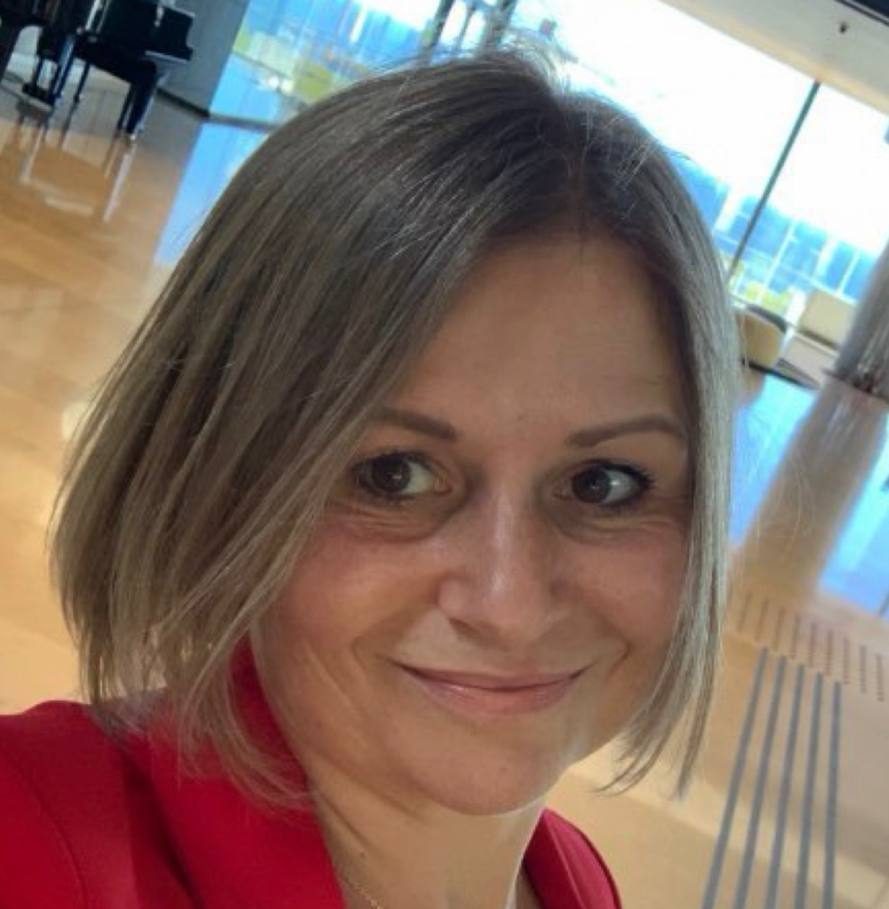
For years I lived with bloating and heaviness after meals. After adjusting my nutrition and improving digestion, the discomfort disappeared. I feel lighter, more energetic, and comfortable in my body again.

For the first time in my life, I lost weight without extreme diets. I learned to eat regularly, understand hunger cues, and stopped overeating in the evenings. The weight is going down gradually, but more importantly — I feel calm and confident.
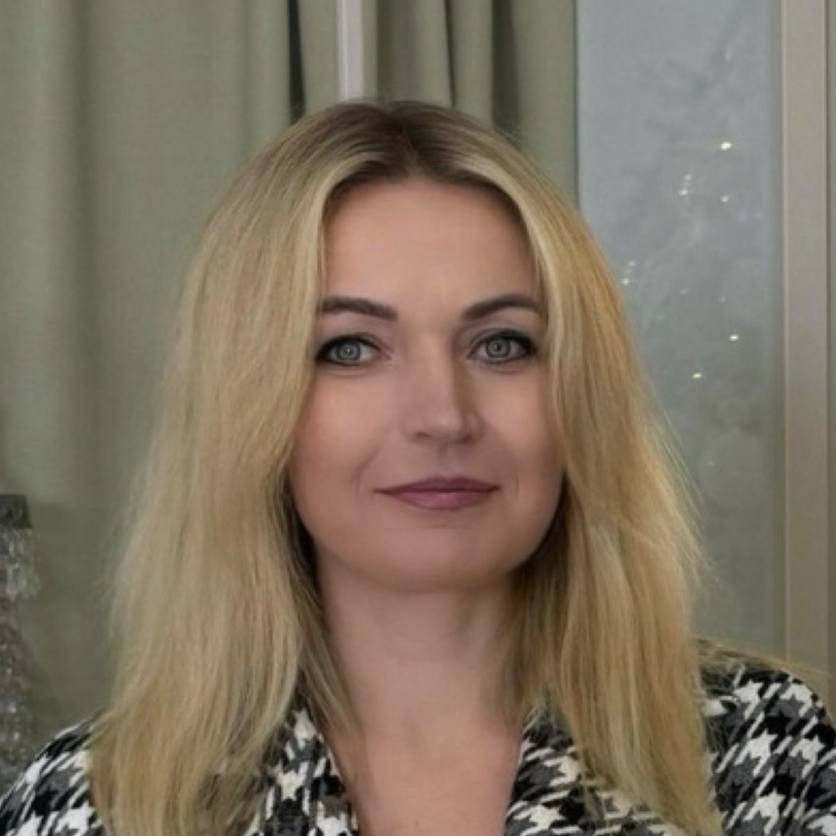
I was worried about my son’s limited diet. Oleksandra’s gentle strategies helped me introduce variety without pressure. Today he willingly eats vegetables and tries new foods. Mealtimes are peaceful instead of stressful.

I came to Oleksandra completely exhausted: constant fatigue, hormonal fluctuations, sugar cravings, and guilt after eating. I had tried countless diets, but nothing worked longer than a few weeks.
From the very first consultations, it was clear: there are no restrictions, pressure, or trendy extremes here. Oleksandra explains how the body actually works and gives a strategy that fits real life.
After a few months:
• my appetite swings disappeared
• my cycle stabilized
• bloating and discomfort were gone
• I lost weight without stress
• I finally felt calm around food
I also want to highlight her approach to children’s nutrition. Thanks to her guidance, my daughter now eats vegetables willingly — without pressure or negotiations.
This is not just about nutrition. It’s about quality of life.
© 2026 All rights reserved.